
The Hip Complex - Breaking Down Barriers to Better Outcomes

The Hip Complex - Breaking Down Barriers to Better Outcomes
This course includes
The instructors
Overview
This course covers the assessment and treatment of the hip complex using a biopsychosocial approach. Darryl Yardley, Jim Millard, and Erik Schmidt review clinically relevant anatomy and biomechanics, then work through hip osteoarthritis, femoroacetabular impingement (FAI), labral tears, gluteal tendinopathy, and lumbar radiculopathy versus peripheral nerve entrapment.
Diagnosis at the hip is often not straightforward. The presenters cite an average delay of up to 3.1 years before patients are diagnosed with FAI. MRI studies show labral tears and other abnormalities in many people with no hip pain. In lateral hip pain, bursal distension is found in only 8 to 15% of cases, and it is usually secondary to gluteus medius or minimus tendinopathy.
The course includes demonstrations of a hip-specific exam and treatment techniques, including traction, mobilizations, loading progressions, and nerve provocation and flossing. It also covers communication, expectation setting, and plan-of-care design, along with the practice metrics that show whether patients are completing their care.
Learning Objectives
In this course, participants will:
- Explore how the patient experience, communication, and a biopsychosocial approach influence engagement, adherence, and outcomes in hip care.
- Conduct a structured subjective exam and a hip-specific objective exam, including FADIR, FABER, impingement, and log roll testing.
Review clinically relevant hip anatomy and biomechanics, including osseous, ligamentous, neural, and muscular structures. - Differentiate intra-articular, extra-articular, and referred sources of hip pain, including hip osteoarthritis, FAI and labral tears, gluteal tendinopathy versus trochanteric bursitis, and lumbar radiculopathy versus peripheral nerve entrapment.
- Apply evidence-informed management strategies, including end-range manual therapy, progressive loading, neuromuscular retraining, and load management for gluteal tendinopathy.
- Recognize when pelvic floor dysfunction may be contributing to hip pain and when interprofessional collaboration is warranted.
- Use practice metrics such as graduation rate and Net Promoter Score to connect quality clinical care with patient retention and a sustainable practice.
Audience
This course is for physiotherapists, physiotherapist assistants, occupational therapists, occupational therapist assistants, athletic therapists, exercise therapists, kinesiologists, and other rehabilitation professionals who treat hip, groin, or lower quadrant pain. It is appropriate for practitioners early in their careers and for experienced clinicians who want to refine their differential diagnosis. Clinic owners will find the sections on patient retention and practice metrics directly applicable.
A background in orthopaedic assessment is helpful but not required.
Why This Course Matters
Hip pain is often misdiagnosed or diagnosed late. Imaging findings do not always match symptoms, lateral hip pain is still commonly labelled as bursitis, and pain from the hip, lumbar spine, sacroiliac joint, and pelvic floor can present in similar ways.
The presenters recommend screening all lower quadrant patients for hip involvement and explain which treatment approaches have evidence for improving pain and function, and which do not. They also discuss patients who stop attending before completing their plan of care. According to the presenters, about 20% of patients drop out within the first three visits. The course looks at how clear explanations of the diagnosis, a defined plan of care, and ongoing communication help patients stay in care long enough to benefit from treatment.
What Is Included?
This course includes:
-
More than 6 hours of video lessons
-
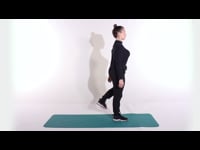
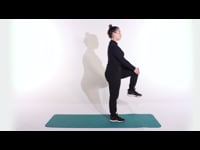
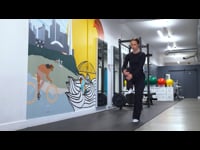
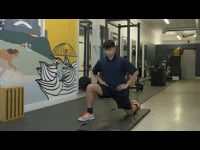
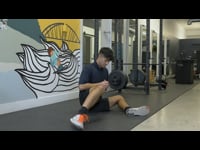
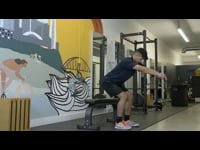
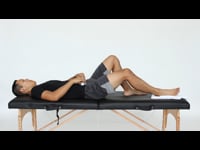
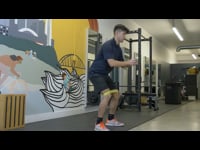
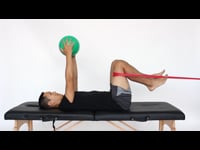
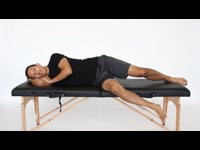
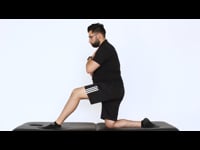
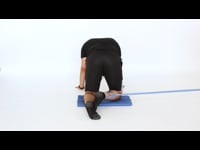
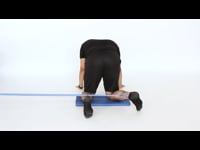
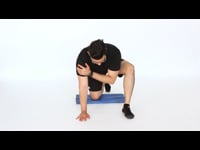
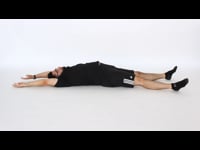
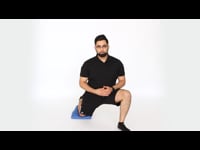
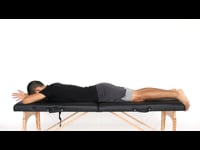
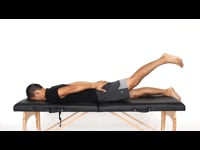
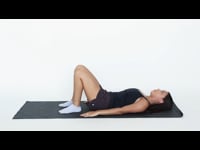
More than 80 Patient Exercises and 2 Exercise Program Templates that you can easily share with your patients using Embodia for HEP
-
Bite-sized information: All of the content is broken down into bite-sized chunks, so that you can easily watch a video on your break, over lunch, or for a few minutes at night. There is no start date or completion date, you can complete this course at your own pace
-
Quizzes throughout to help you integrate the knowledge
-
Certificate of Completion: Once you have completed the course, you will receive a certificate for your professional portfolio
-
Lifetime access after purchase
-
You will be sent a receipt as soon as you purchase this course. This receipt can be used for education grants and for tax purposes
The instructors

PT, B.Kin (Hons), M.Sc.(PT), M.Cl.Sc.(Manip), FCAMPT
Darryl has been a physical therapist for more than a decade. He is a clinic owner and the Chief Operating Officer for Clinic Accelerator where he supports 500+ clinic owners with their operations, recruitment and clinician performance. He has mentored and helped thousands of Physical Therapists become all-star clinicians, clinic directors, and equity partners. He is past chair of the Private Practice Section of the Canadian Physiotherapy Association, co-author of "Diagnosis and Management of Femoroacetabular Impingement", and is a professor of Business and Leadership in Physical Therapy at Western University.

PT, B.Sc(PT), M.Cl.Sc(PT), DIP MT(CAN), FCAMPT
A native of London Ontario Jim has been a practicing physiotherapist for 32 years. Jim attended Western where he completed a BSc (PT) in 1991 and a MClSc (PT) in 2010. Jim also completed a clinical DPT in the USA in 2013. Jim has been a fellow of the Canadian Academy of Manipulative Physiotherapists (FCAMPT) since 2000. Jim is an instructor in the Comprehensive Musculoskeletal Physiotherapy Master’s Program at Western University since its onset. He teaches the Mulligan Concept musculoskeletal manual therapy courses across Canada. Jim was an owner of Body Mechanics Physiotherapy in London for nearly two decades. Jim is now the National Director of Clinical Training and Development for CBI Health.
Jim is a strong advocate of all things biopsychosocial and mind, body, spirit. He is passionate about how we communicate with our patients and has been involved in the knowledge translation and teaching of these crucial foundational skills for the past decade. Jim feels our ability to connect with our patients is our most important asset as clinicians. These so-called soft skills are the true power skills in the delivery of compassionate care. Jim believes that as clinicians we must possess the knowledge and skills to facilitate behaviour change. Understanding the role of intrinsic motivation in adherence to physiotherapy must be viewed as a clinical competency.
Jim believes that personal development is professional development. Jim is a proponent of an infinite growth mindset. The importance of self-compassion, and resilience to our own personal wellness is often neglected. We cannot give away what we don’t already have. Jim coaches and mentors clinicians to assist them on their own growth and resilience journeys. Jim is passionate about the power of words as they intersect with the vulnerability of creative expression. He released his first book Cuoreosity: The heArt of Being, a poetic invitation to live into the questions of life in 2022.

PT, B.Kin (Hons), M.Sc.(PT), M.Cl.Sc., FCAMPT
Erik is an experienced and dynamic physiotherapist who has attained advanced training in manual therapy and the McKenzie MDT system.
He worked primarily with national-level athletes and closely with the local orthopedic surgeons. He is also a faculty member of NOSM (The Northern Ontario School of Medicine) where he lectures and hosts in-clinic orthopaedic mentorship for R1 and R2 physicians residents.
He now assists as an instructor to the program while concurrently qualifying to become a Fellow of the Canadian Academy of Manual Therapists, an internationally recognized, highest possible Canadian designation.
Material included in this course
-
Patient Experience
-
Welcome and Slides
-
What are the Patient Exercises for?
-
Context
-
Recognizing Types of People
-
The Neuromatrix
-
Biopsychosocial
-
What Patients Want
-
Quiz - Patient Experience
-
Feedback
-
Anatomy
-
Osseous Structures
-
Ligamentous Structures
-
Neurology
-
Musculature
-
Quiz - Anatomy
-
Feedback
-
Subjective Assessment
-
Nine Steps of the Subjective Exam
-
Listening is Therapy
-
What Clients and Therapists Want to Know
-
Quiz - Subjective Assessment
-
Feedback
-
Objective Assessment
-
Examination part 1
-
Examination part 2
-
Objective Exam part 1
-
Objective Exam Part 2
-
Quiz - Objective Assessment
-
Feedback
-
Hip Osteoarthritis
-
Baby Boomers
-
Who Can We Help?
-
What Does and Doesn't Work
-
Quiz - Hip Osteoarthritis
-
Feedback
-
FAI
-
Is Surgery the Answer?
-
What is FAI
-
Is FAI new?
-
Quiz - FAI
-
Feedback
-
Pathologies
-
Pathologies Introduction
-
Tendonitis and Bursitis
-
Causes of Hip Tendinopathy
-
Radiculopathy and Nerve Entrapment
-
Differentiation Between Radiculopathy and Nerve Entrapment
-
Quiz - Pathologies
-
Feedback
-
Assessment and Treatment
-
Hip OA Assessment Part 1
-
Hip OA Assessment Part 2
-
Hip OA Assessment Part 3
-
Hip Traction
-
Hip Mobilizations
-
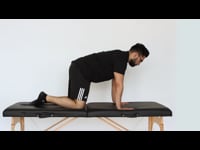
Quadruped Flexion
-
Exam Demonstration - Labral Tear
-
Testing for Gluteal Tendinopathy
-
Unloading and Strengthening the Hip
-
Dynamically Loading the Hip
-
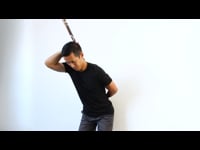
Nerve Provocation, Tension and Flossing
-
Quiz - Assessment and Treatment
-
Feedback
-
Turning Clinical Skills Into Profit
-
The Patient's Perspective
-
Clinical Skills to Profit
-
The Patient's Journey
-
Client Lifecycle - Communication
-
Client Lifecycle - Treatment Plan
-
Quiz - Turning Clinical Skills Into Profit
-
Feedback
-
Concluding the Patient Experience
-
Neuromuscular Retraining and Positioning
-
Alternative Treatment Options
-
Pelvic Floor and Interprofessional Collaboration
-
Closing your Assessment
-
Between Assessment and First Treatment
-
Net Promoter Score
-
Closing Statement
-
Quiz - Concluding the Patient Experience
-
Feedback
Patient exercises included in this course
-
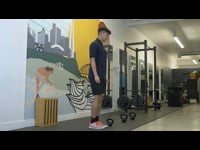
Hip ER: FABER Position (Supine)
-
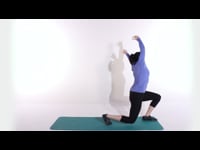
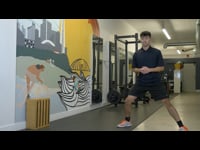
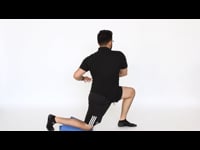
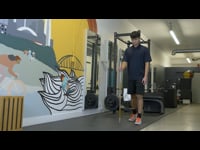
Lunge with T-spine Rotation
-
Lunge with In and Out Reach
-
Lunge with Overhead Side Reach
-
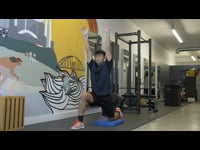
Lunge with Overhead Reach
-
Lunge and Twist
-
Combined Lunge Exercises
-
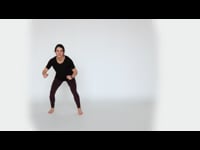
Side Lunge and Mini Hop
-
Lateral Quick Skips
-
Sagittal Quick Skips
-
Close the Gate
-
Open the Gate
-
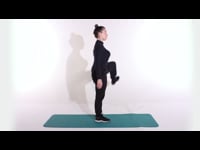
Knees to Chest in Standing
-
Dynamic Hip Warm-Up
-
3-Way Hip Opener
-
Lateral Jumps: Progression 3
-
Lateral Jumps: Progression 2
-
Lateral Jumps: Progression 1
-
Controlled Lowering Single Leg Squat
-
Advanced Single Leg Control
-
Single Leg Stance with Glute Activation with a Band
-
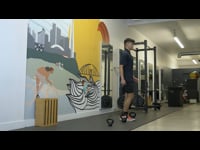
Goblet Squat Warm Up
-
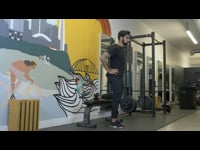
Goblet Squat
-
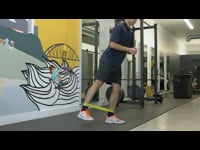
Monster Walks Anti-Rotations
-
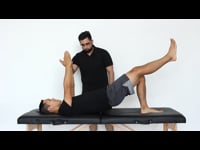
Hip Flexor Hovering
-
Advanced ROM and Hip Control
-
Hip Hinge Eccentric Lowering
-
Deep Hip Internal Rotators Strengthening with Band: Sitting
-
Psoas / Hip Flexor Release
-
Monster Walks with Resistance Band
-
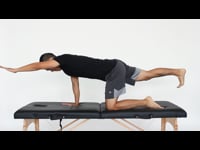
Bird-Dog with Alternate Limb Lift
-
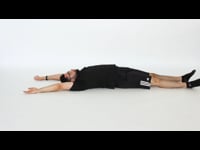
Upper Extremity Rolling Pattern
-
Upright Stationary Bike (Continued)
-
Stationary Bike (Upright Frame)
-
Glute Strengthening Series 1 (Mule Kick)
-
Eccentric Hip Flexors
-
Deep Hip Rotators in Side Lying: Internal Rotation
-
Single Leg Bridge with Perturbation
-
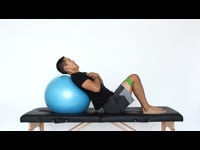
Glute Strengthening Series 3 (Banded Bridge with Stability Ball)
-
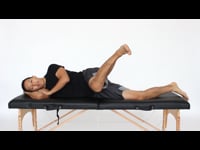
Glute Strengthening Series 2 (Fire Hydrant)
-
Hip Flexors with Core
-
Deep Hip Rotators in Side Lying: External Rotation
-
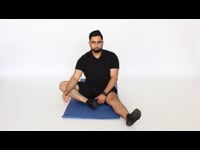
Back of Hip (Posterior Capsule) Stretch
-
Hamstring Mobility
-
Deep Hip External Rotators Strengthening with Band: 4 Point Kneeling
-
Deep Hip Internal Rotators Strengthening with Band: 4 Point Kneeling
-
Half Kneel and Core Series
-
Hip ER Combined Hip Opening Exercise
-
Lower Extremity Rolling Pattern
-
Adductor Stretch in Kneeling
-
Hip Adductor Stretch in Sitting
-
Hip Flexor Stretch with Overhead Activation
-
Hip Flexor Stretch with Thoracic Rotation
-
Hip Hinge (Standing)
-
Hip Hinge (upright double kneeling position)
-
Isometric Deep Hip Rotators
-
Anterior (front of hip) Capsule Stretch
-
AAROM: Heel to Bum
-
Single Leg Deadlift With Free Weight
-
Arabesque
-
Deep Hip Rotators in 4-point-kneeling: Internal Rotation (Twisting Foot Outwards)
-
Deep Hip Rotators in 4-point-kneeling: External Rotation (Twisting Foot Inwards)
-
Hydrotherapy
-
Lateral Alternate Twist Jacks
-
Single Leg Stance with Rotational Control
-
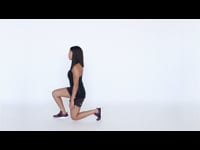
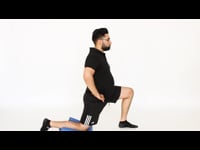
Forward Lunge (In-Line Lunge)
-
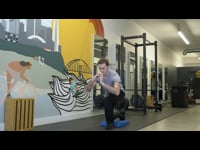
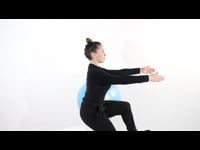
Sahrmann Squat
-
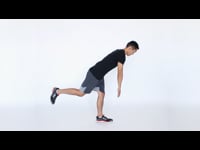
Single Leg Deadlift
-
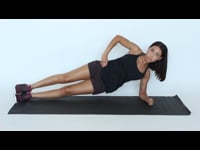
Side Planks
-
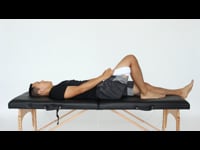
Assisted Hip Flexion
-
Elliptical
-
Star Excursion Balance
-
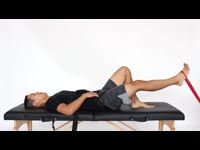
Dead Bug with Resistance Band
-
Seated Lean Back
-
Hip IR: FADIR
-
Weight-Shifting
-
Hip Flexor Stretch
-
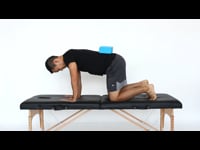
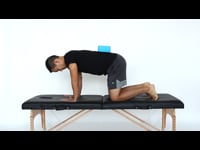
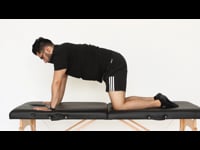
Quadruped Rocking
-
Heel to Bum
-
Tummy Time with Glute Setting (with posterior sling)
-
Tummy Time with Glute Setting (with progressions)
-
End Range Knee Extension or Quad Setting
-
Double Leg Bridges
-
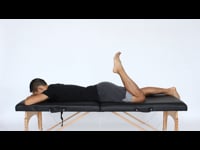
Hip Abduction in Side-Lying


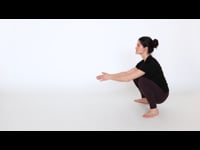
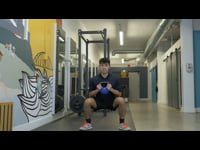
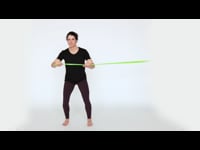
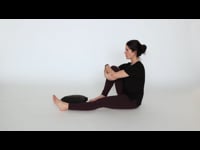



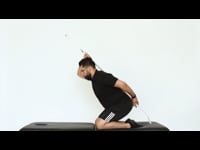
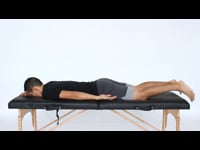
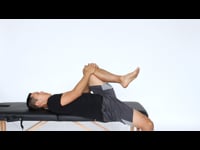



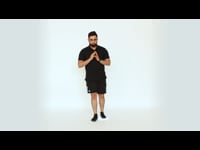
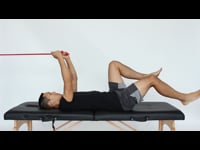
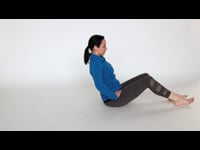
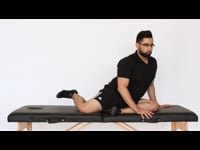
Templates included in this course
-
Maximum Protection: Weeks 1- up to 3
-
Mobility and Neuromuscular Retraining: Weeks 3 - up to 6
This course has exercises. Can I prescribe them to my patients?
Yes, exercises included in courses or resource packages on Embodia can be prescribed directly through the Embodia platform. A Tier 2 or 3 Membership is required to prescribe exercises. These memberships include a range of other features. You can learn about home exercise programs (HEP) on Embodia here, and about memberships on Embodia here.
Is a certificate of completion included with this course?
Once you have completed the course, a certificate of completion (including learning hours and course information) will be generated. You can download this certificate at any time. To learn more about course certificates on Embodia please visit this guide.
This can be used for continuing education credits, depending on your professional college or association. If this course has been approved for CEUs in specific jurisdictions, it will be noted on the course page and CEU information may be added to your course certificate. Please read this guide for more information.
What hip conditions does this course cover?
Hip osteoarthritis, femoroacetabular impingement (FAI), labral tears, gluteal tendinopathy and trochanteric bursitis, hypermobility and instability, and lumbar radiculopathy versus peripheral nerve entrapment, along with pelvic floor contributions to hip pain.
How do I tell gluteal tendinopathy from trochanteric bursitis?
The course reviews the evidence showing that bursal distension is usually secondary to gluteus medius or minimus tendinopathy, and walks you through key screening tests, including the 30-second single leg stance test.
Does this course include hands-on technique demonstrations?
Yes. You will see hip-specific examination and treatment demonstrations, including traction, mobilizations, labral tear examination, gluteal tendinopathy testing, loading progressions, and nerve flossing.