
Western Medical Acupuncture (WMA)
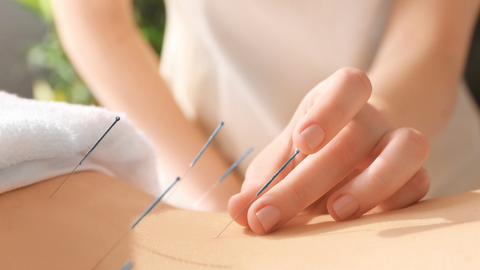
Western Medical Acupuncture (WMA)
This course includes
The instructors
Overview
Where did western medical acupuncture come from, and how does it actually work beneath the skin?
In this one-hour session, Dr. Mike Cummings walks you through the reasoning that shaped his own path from military medicine into acupuncture practice, then opens up the evidence behind filiform needling as it's used internationally. You'll get a clear-eyed comparison of dry needling and acupuncture: where the techniques diverge, where they overlap, and why that distinction matters for how you frame treatment for patients. Cummings closes with a look at some of the newest mechanistic research on electroacupuncture, connecting lab findings back to what you're doing at the treatment table.
Learning Objectives
In this online course, we will:
- Describe the historical development and core principles of Western Medical Acupuncture (WMA) and how they differ from traditional Chinese medicine approaches.
- Differentiate between dry needling and acupuncture techniques, including where they clinically overlap.
- Explain the mechanistic basis for needling effects at the local, segmental, and supraspinal levels.
- Identify recent electroacupuncture research findings and their potential clinical applications.
- Apply an understanding of patient communication and expectation management to needling outcomes.
Audience
This session is built for physiotherapists and physiotherapist assistants already using, or considering, needling techniques in musculoskeletal practice, particularly those with ADN or CPA affiliation. It will also suit any allied health practitioner looking to strengthen the evidence base behind their current dry needling or acupuncture practice.
Why This Course Matters
Needling techniques are widely used in musculoskeletal practice, but the reasoning behind why they work, and how that reasoning should shape technique, isn't always well understood. This session moves past the debate over which needling label is "correct" and focuses instead on mechanism: what's happening in tissue, at the spinal cord, and in the brain when a needle goes in. Understanding these layers gives you a stronger clinical rationale to bring into patient conversations, and a clearer sense of when needling is likely to help. Dr. Cummings also addresses the nocebo effect and the role patient expectation plays in outcomes, a factor that's easy to overlook but can meaningfully shift what you see in the clinic.
About the Presenter
Dr. Mike Cummings, Medical Director, British Medical Acupuncture Society (BMAS), UK
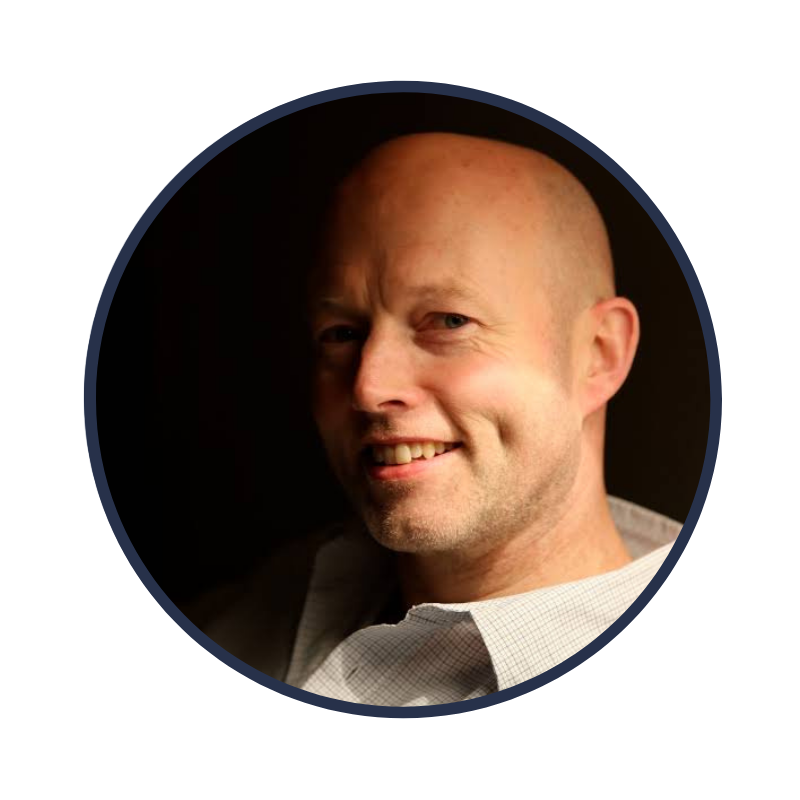
Dr. Mike Cummings qualified in medicine in 1987 and joined the Royal Air Force in 1989 as a General Duties Medical Officer, where he was first introduced to acupuncture. While still serving in the Royal Air Force, he trained in Western medical acupuncture with the British Medical Acupuncture Society (BMAS) and went on to become its first Director of Education in 1997. In 2001, he was appointed full-time Medical Director of the BMAS.
He currently serves as an Honorary Clinical Specialist at the Royal London Hospital for Integrated Medicine. Since 2000, Mike has been an editor of Acupuncture in Medicine and is an active peer reviewer for leading journals, including the Annals of Internal Medicine. He has also contributed as a specialist adviser to the UK’s National Institute for Health and Care Excellence (NICE).
Mike is the author of the BMAS Blog, a widely read research-focused platform on acupuncture and has an extensive academic portfolio, with approximately 111 publications, including around 90 articles in peer-reviewed journals. His work includes 8 systematic reviews, 17 textbook chapters, and authorship of 5 textbooks.
Related Learning
Browse more acupuncture and dry needling courses on Embodia.
The instructors
The Acupuncture Division of the Canadian Physiotherapy Association supports physiotherapists and physiotherapist assistants in advancing the use of acupuncture as an established core competency in physiotherapy clinical practice.
Vision
To promote acupuncture and encourage an actively engaged membership who are committed to lifelong learning and excellence in practice in order to promote health and well-being among their patients.
Mission
To provide leadership and direction to physiotherapists and physiotherapy assistants who are members of the Acupuncture Division of the Canadian Physiotherapy Association in advancing the utilization of acupuncture in clinical practice by promoting excellence in direct care, education and research.
Material included in this course
-
Course Materials
-
Welcome
-
Full presentation
-
Written: Summary and Key Insights
-
Feedback
Is a certificate of completion included with this course?
Once you have completed the course, a certificate of completion (including learning hours and course information) will be generated. You can download this certificate at any time. To learn more about course certificates on Embodia please visit this guide.
This can be used for continuing education credits, depending on your professional college or association. If this course has been approved for CEUs in specific jurisdictions, it will be noted on the course page and CEU information may be added to your course certificate. Please read this guide for more information.
I'm a member of the Canadian Physiotherapy Association (CPA). What are the discounts available to CPA Members on Embodia?
As part of our partnership with the CPA, we offer its members discounts on courses and Embodia Memberships. Learn more about the partnership on this page.
In order for the discount to be applied, you first need to authenticate your CPA membership. This is an important step as this is how Embodia 'knows' that you are a CPA member.
To authenticate as a CPA member, please visit this page on the CPA portal.
Please note that your email address on your CPA account must match your email address on Embodia. If needed, you can update your information on Embodia as outlined in this guide.