
The Vagus Nerve: Building Nervous System Capacity
The Vagus Nerve: Building Nervous System Capacity
This course includes
The instructors
Note: Access to this course is available by registering and paying for the live webinar that accompanies it. You can learn more and register here.
The materials of this course will be available October 6th, 2026. An email will be sent to all registrants with instructions on how to access it.
The Vagus Nerve: Building Capacity Through Somatic Therapies & Manual Treatment
Persistent pain, pelvic floor dysfunction, trauma, chronic stress, and many complex health conditions are increasingly understood through the lens of nervous system regulation. As healthcare providers, we are uniquely positioned to help patients move beyond symptom management by understanding how the autonomic nervous system influences healing, movement, resilience, and recovery.
This course introduces the vagus nerve as a key regulator of the parasympathetic nervous system and explores its role in pain modulation, breathing, digestion, heart rate, bowel and bladder function, immune health, emotional regulation, and overall nervous system balance. Participants will gain an evidence-informed understanding of vagus nerve anatomy, physiology, vagal tone, Polyvagal Theory, and the clinical relevance of autonomic nervous system regulation.
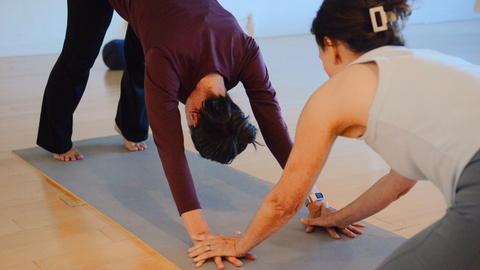
Bridging neuroscience with clinical practice, this course integrates manual therapy, somatic movement, breathing, yoga-based movement, and patient education with practical self-management strategies that can be implemented immediately in clinical practice. Through video demonstrations and clinical examples, participants will learn assessment methods and evidence-informed interventions that support nervous system regulation while remaining within their professional scope of practice.
Rather than simply teaching techniques to calm the nervous system, this course focuses on helping clinicians build their patients' capacity for recovery. Participants will learn how to foster interoceptive awareness, expand a patient's window of tolerance, improve autonomic flexibility, and develop individualized treatment plans that encourage resilience and long-term adaptation. By the end of the course, clinicians will have practical tools to educate patients, guide meaningful behavior change, and support lasting recovery through movement, manual therapy, breathing, and nervous system retraining.
Learning Objectives
By the end of this course, participants will be able to:
- Explain the anatomy, physiology, and function of the vagus nerve and its role within the autonomic nervous system.
- Describe the neurophysiological foundations of vagal tone and autonomic nervous system regulation, and explain their clinical relevance for persistent pain, pelvic health, trauma recovery, emotional regulation, and stress-related disorders.
- Explain current evidence supporting the biopsychosocial model, Polyvagal Theory, and somatic approaches as they relate to rehabilitation and whole-person care.
- Recognize signs of autonomic nervous system dysregulation and identify assessment strategies appropriate to their professional scope of practice.
- Apply evidence-informed manual therapy, breathing, movement, yoga-based movement, and somatic interventions that support nervous system regulation and help build recovery capacity.
- Develop strategies to improve interoception, expand a patient's window of tolerance, and promote greater autonomic flexibility and resilience.
- Integrate trauma-informed principles into patient assessment, communication, education, and treatment planning.
- Teach patients simple, practical self-management strategies that encourage nervous system regulation, improve body awareness, and support long-term recovery outside the clinic.
- Incorporate nervous system regulation into the management of individuals with persistent pain, pelvic floor dysfunction, bowel and bladder disorders, trauma, anxiety, chronic stress, and other complex presentations.
- Apply clinician self-regulation strategies that enhance therapeutic presence, reduce burnout, and promote sustainable clinical practice.
Audience
This course is designed for physiotherapists, physical therapists, occupational therapists, massage therapists, chiropractors, osteopaths, athletic therapists, kinesiologists, physicians, nurses, speech-language pathologists, psychologists, counsellors, yoga therapists, yoga instructors, and other healthcare professionals interested in integrating nervous system regulation into clinical practice.
It is particularly relevant for clinicians working with persistent pain, pelvic health, trauma, concussion, orthopedic and neurological rehabilitation, chronic stress, or patients presenting with complex multisystem conditions. Whether you are new to nervous system regulation or looking to expand your current clinical toolbox, this course provides practical, evidence-informed strategies that can be applied immediately in practice.
Why This Course Matters
Many rehabilitation approaches continue to focus primarily on structural impairments, despite growing evidence that the autonomic nervous system plays a fundamental role in persistent pain, trauma recovery, pelvic health, stress-related disorders, and movement dysfunction.
This course moves beyond a symptom-driven approach to provide clinicians with a practical framework for understanding how nervous system regulation influences healing, movement, and overall well-being. Rather than simply helping patients down-regulate, participants will learn strategies that build nervous system capacity: the ability to respond to life's physical and emotional demands with greater flexibility, resilience, and adaptability.
By integrating current neuroscience with manual therapy, breathing, somatic movement, yoga-based interventions, and patient education, clinicians will gain practical tools that empower patients to improve interoception, widen their window of tolerance, strengthen self-regulation skills, and become active participants in their own recovery.
Whether you work with persistent pain, pelvic health, neurological conditions, orthopedic injuries, chronic stress, or trauma, this course provides immediately applicable strategies to enhance clinical reasoning, expand treatment options, and support meaningful, long-term recovery. Patients leave with more than symptom relief. They gain the skills and confidence to build resilience for the future, while clinicians gain a comprehensive framework for delivering whole-person, evidence-informed care.
Course Format
This course includes:
- 2 hours of on-demand recorded content that you can complete at your own pace.
- 1-hour live interactive session featuring clinical discussion, case examples, and participant Q&A. (A recording will be available for those unable to attend live.)
- Downloadable clinician and patient handouts.
- Video demonstrations of assessment, manual therapy, breathing, movement, and self-management techniques.
- Practical clinical tools and patient education resources that can be implemented immediately.
What You'll Gain
After completing this course, you will return to practice with:
✔ A practical understanding of vagus nerve anatomy and autonomic nervous system regulation.
✔ Greater confidence assessing nervous system function within your professional scope.
✔ Evidence-informed manual therapy, breathing, movement, and somatic strategies that support recovery.
✔ Practical methods to help patients improve interoception, expand their window of tolerance, and build nervous system resilience.
✔ Effective patient education tools that simplify complex neuroscience and encourage self-management.
✔ New treatment options for persistent pain, pelvic floor dysfunction, trauma, chronic stress, and other complex clinical presentations.
✔ Strategies that support clinician well-being and help prevent professional burnout.
The instructors

MSPT & Yoga Instructor
Laurie VanCott is a physical therapist and educator with over 25 years of clinical experience specializing in pelvic health and yoga. She integrates yoga and meditation with evidence-based rehabilitation within a biopsychosocial model of care as a practicing PT.
Laurie has taught for the APTA Pelvic Health Section on Yoga and Meditation for Pelvic Health and has presented at CSM on yoga, meditation, trauma-informed care, polyvagal and somatic approaches. She currently teaches for Pelvic Health Solutions on Yoga and Meditation for Pelvic Health and served as Clinical Coordinator for the Mommy & Baby Wellness program, an 8-week free community program, and as a lecturer with a regional hospital system’s Persistent Pain Education Program.
She is also the owner of Inspire & Flourish, LLC, a company dedicated to providing education and resources that integrate yoga and rehabilitation for therapists, healthcare providers, and their clients. She continues to actively practice physical therapy, working with patients both in person and online. Through Yoga Therapeutics, she has developed online programs that offer practical resources and tools therapists and their patients can use to support ongoing care, self-management, and recovery. She also teaches yoga both in person and on Zoom and leads retreats focused on wellness, resilience, and whole-person health through Gorge Yoga.
She is passionate about creating collaborative, interdisciplinary approaches to care that support better outcomes for patients while also helping healthcare providers build resilience, longevity, and greater enjoyment in their work. Her goal is to make evidence-informed education and practical tools accessible to both providers and the people they serve.
To learn more about her, visit www.inspireflourish.com to learn more.
Material included in this course
-
Course Presentation
-
Welcome!
-
The Vagus Nerve
-
Feedback
-
Techniques
-
Vagus Nerve Upper and Mid Branch Mobilization and Indirect Techniques
-
Vagus Nerve Lower Branch Indirect Techniques
-
Vagus Nerve Direct Techniques
-
Vagus Nerve Isolation Techniques
-
Upper Trap Release
-
Facial Release
-
Patient Guided Nerve Release Techniques
-
Patient Performing Nerve Release Techniques
-
Breathing with Movement and Self Massage
-
Parasympathetic Response Patient Yawning
-
Popcorn
-
Viloma Breathing
-
Standing Vagus Nerve Options
-
Test Retest
-
Feedback
Is this course relevant if I don't specialize in pelvic health?
Yes. The vagus nerve and autonomic regulation apply across persistent pain, orthopaedic, neurological, and trauma-informed practice, not just pelvic health.
Do I need prior training in Polyvagal Theory or somatic approaches?
No. The course builds your understanding from the anatomy and physiology up, so no prior training is required.
Is a certificate of completion included with this course?
Once you have completed the course, a certificate of completion (including learning hours and course information) will be generated. You can download this certificate at any time. To learn more about course certificates on Embodia please visit this guide.
This can be used for continuing education credits, depending on your professional college or association. If this course has been approved for CEUs in specific jurisdictions, it will be noted on the course page and CEU information may be added to your course certificate. Please read this guide for more information.
Has this course been approved for CEUs (Continuing Education Units) for Physical Therapists and Physical Therapy Assistants in the US?
Yes, Embodia is a rule-approved CE provider of the PT Board of Florida (# 50-54793), a licensed CE sponsor of physical therapy continuing education by the Illinois Department of Financial & Professional Regulation (IDFPR #216.000415), an approved provider of continuing education by APTA Massachusetts, an approved provider of the Oklahoma Board of Medical Licensure & Supervision - Physical Therapy (#50-54793), and an approved provider of continuing education for Physical Therapists and Physical Therapist Assistants in California (CA) by CEUapproval.com, a recognized approval agency of the Physical Therapy Board of CA.
Courses approved by other state boards in the following jurisdictions are likely accepted for licensure credit based on the state regulation:
AL | AK | AR | CO | CT | DE | GA | HI | ID | IL | IN | IA | KS | KY | ME | MA | MI | MO | MT | NE | NH | NC | ND | OK | OR | PA | RI | SC | SD | UT | VT | VA | VI | WA | WI | WY
Please reach out to your state licensing board to confirm. If you have a specific question about CEU approval for this course in your state, please direct your inquiry to info@ceuapproval.com
The following states are not pre-approved: AZ, DC, LA, MD, MN, MS, NM, NV, NY, NJ, OH, TX, WV
Participants licensed in states not pre-approved may file for individual approval using the instructions on this document.
How many CEUs has this course been approved for?
This course has been approved for 3.5 CEUs (Continuing Education Units) for Physical Therapists and Physical Therapy Assistants in the US. Please see the FAQ 'Has this course been approved for CEUs (Continuing Education Units) for Physical Therapists and Physical Therapy Assistants in the US?' for a detailed list of the approved states. In order for your US jurisdiction information to appear on your course certificate, you must complete your jurisdiction information on your Embodia profile as per this guide.